





From Blueprint to Reality: Key Considerations for Ropes Course & Zipline Projects
Creating a ropes course or zipline attraction is an exciting venture, blending the allure of adventure with the complexities of construction. From the initial concept to the final zip, a successful project demands careful planning, adherence to stringent safety standards, and the expertise of skilled professionals. This article explores the key aspects of ropes course and zipline construction, guiding you through the essential steps to bring your vision to life.
Finding the Right Builder: A Foundation for Success
The selection of a qualified and experienced builder is paramount. Look for a company with a proven track record in ropes course and zipline construction, a deep understanding of industry safety standards, and a portfolio of successful projects. Check their certifications and ensure they comply with organizations like the ACCT (Association for Challenge Course Technology) or ERCA (European Ropes Course Association). A reputable builder will provide comprehensive services, from initial design to final inspection, ensuring every detail meets the highest standards.
Design Considerations: Balancing Thrill and Safety
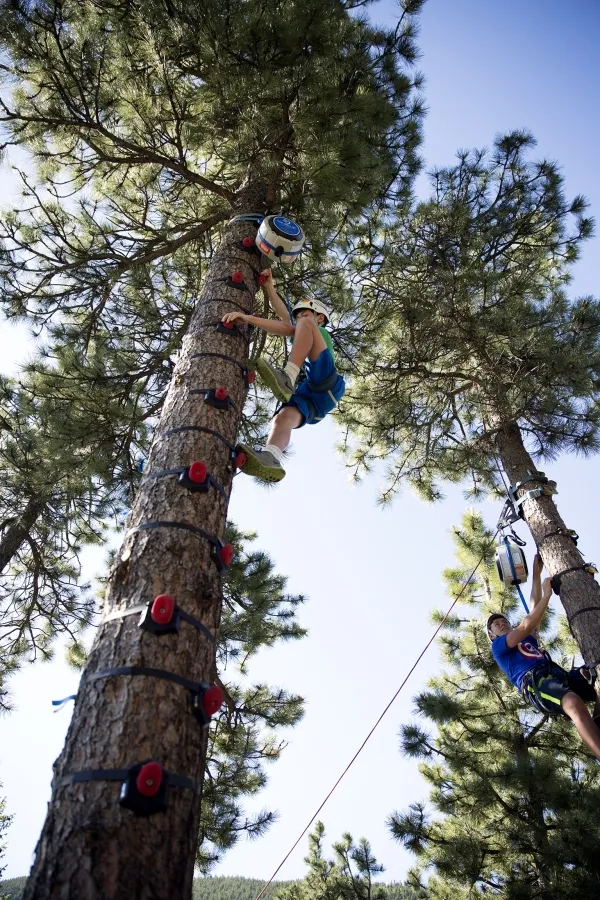
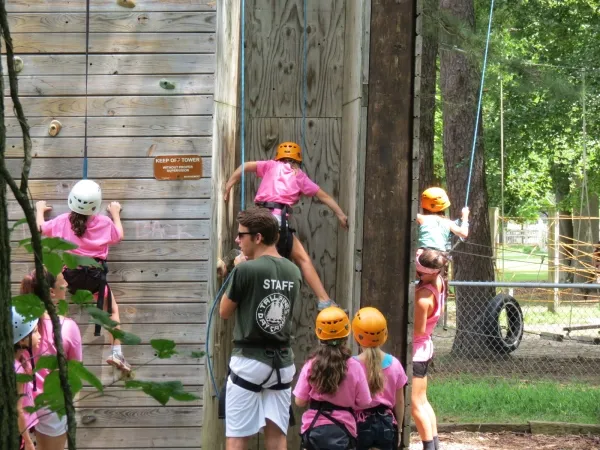
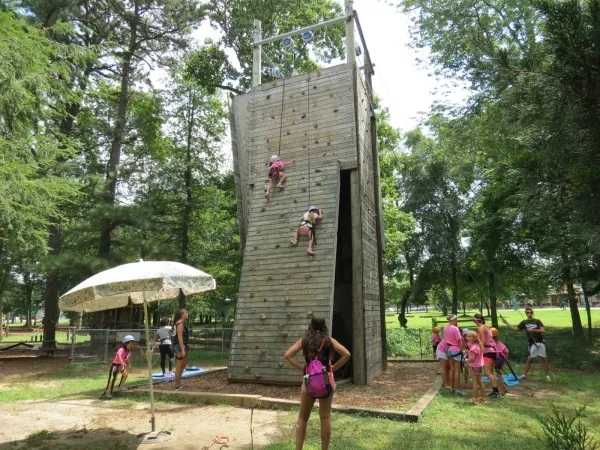
Effective design is the cornerstone of any successful ropes course or zipline. Consider the target audience, the available space, and the desired level of challenge. The design should incorporate a variety of elements, from ziplines and rope bridges to climbing walls and aerial obstacles, creating a dynamic and engaging experience. Safety must be the foremost consideration, with designs adhering to industry best practices and incorporating redundant safety systems. Factors such as load capacities, wind resistance, and emergency access should be carefully evaluated.
Safety Standards: A Non-Negotiable Priority
Ropes courses and ziplines operate in a high-risk environment, making adherence to stringent safety standards non-negotiable. Construction must comply with ANSI (American National Standards Institute) standards and regulations set by organizations like PRCA (Professional Ropes Course Association). This includes using certified materials, conducting regular inspections, and implementing comprehensive staff training programs. Safety protocols should cover everything from equipment operation and maintenance to emergency response and participant briefings.

Materials: Building for Durability and Longevity
The choice of materials is critical for the durability and longevity of a ropes course or zipline. High-grade steel cables, treated wood, and specialized hardware are essential components. Cables must be strong enough to support the combined weight of participants and equipment, while resisting tension, compression, and bending forces. Wood should be treated to withstand the elements and prevent rot or decay. All materials should be sourced from reputable suppliers and meet industry safety standards. Common materials include:
- Cables: Stainless steel or galvanized aircraft cables
- Poles: Treated round poles, solid uniform diameter (SUD) poles
- Timbers & Lumber: Southern yellow pine, cedar
- Hardware: Cable clamps, fist grips, thimbles, turnbuckles, carabiners
- Ropes: Nylon or steel ropes
Construction Process: From Planning to Completion
The construction process typically involves several stages:
- Site Assessment: Evaluating the terrain, accessibility, and environmental factors.
- Design and Engineering: Creating detailed plans and specifications.
- Material Procurement: Sourcing and acquiring the necessary materials.
- Construction and Installation: Building the course or zipline according to the design plans.
- Inspection and Certification: Ensuring compliance with safety standards.
- Staff Training: Equipping staff with the knowledge and skills to operate the attraction safely.
Conclusion
Ropes course and zipline construction is a complex undertaking that demands expertise, meticulous planning, and a commitment to safety. By partnering with a qualified builder, prioritizing sound design principles, adhering to stringent safety standards, and using durable materials, you can create a thrilling and secure adventure experience that will delight participants for years to come.