
• 1.jpg
  • 2.jpg
  • 3.jpg
  • 4.jpg
  • 5.jpg
  • 6.jpg
  • 7.jpg
  • zipline_1.jpg
  • zipline_2.jpg
  • zipline_3.jpg
  • zipline_4.jpg
  • zipline_5.jpg
  • zipline_6.jpg
  • zipline_7.jpg
◆ ZipTronik autonomous trolleys

Bi-directional autonomous zip line trolleys

ZipTronik eliminates manual trolley retrieval and transforms your zip line into a continuous-flow operation. Fully autonomous, energy-recovering, and certified to EN 15567 and EN 17109 — it operates in both directions on a single cable, reducing fleet size while increasing rider throughput.

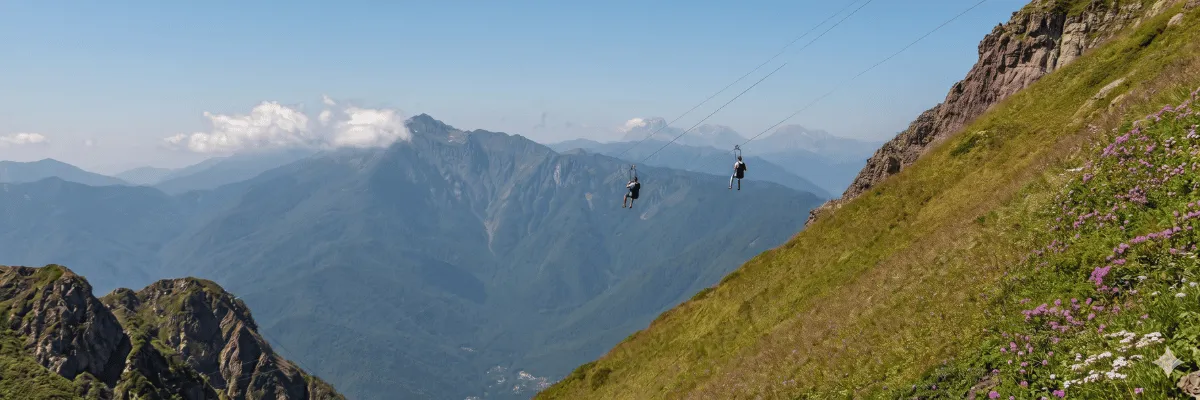
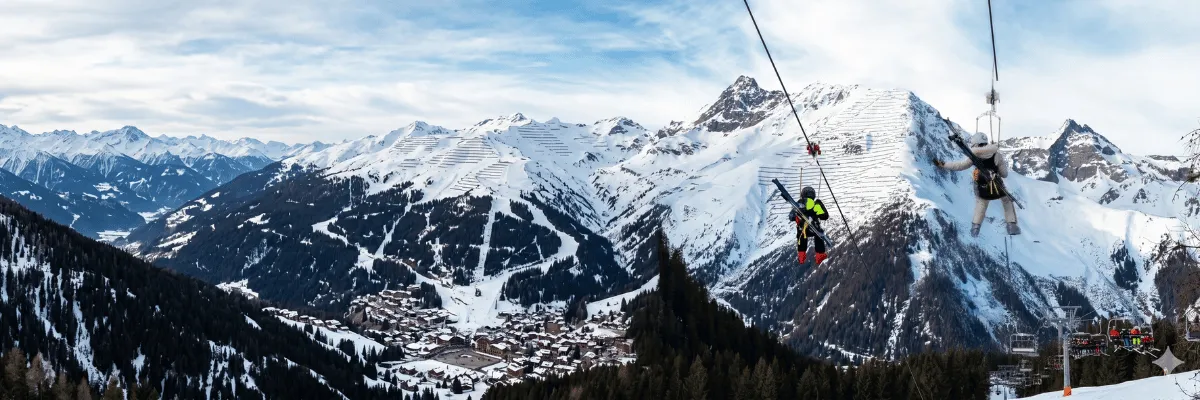
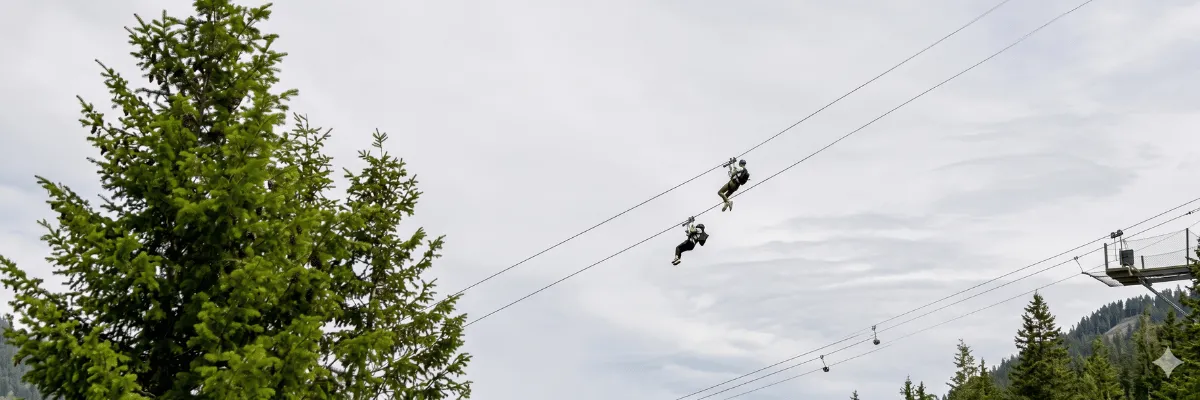
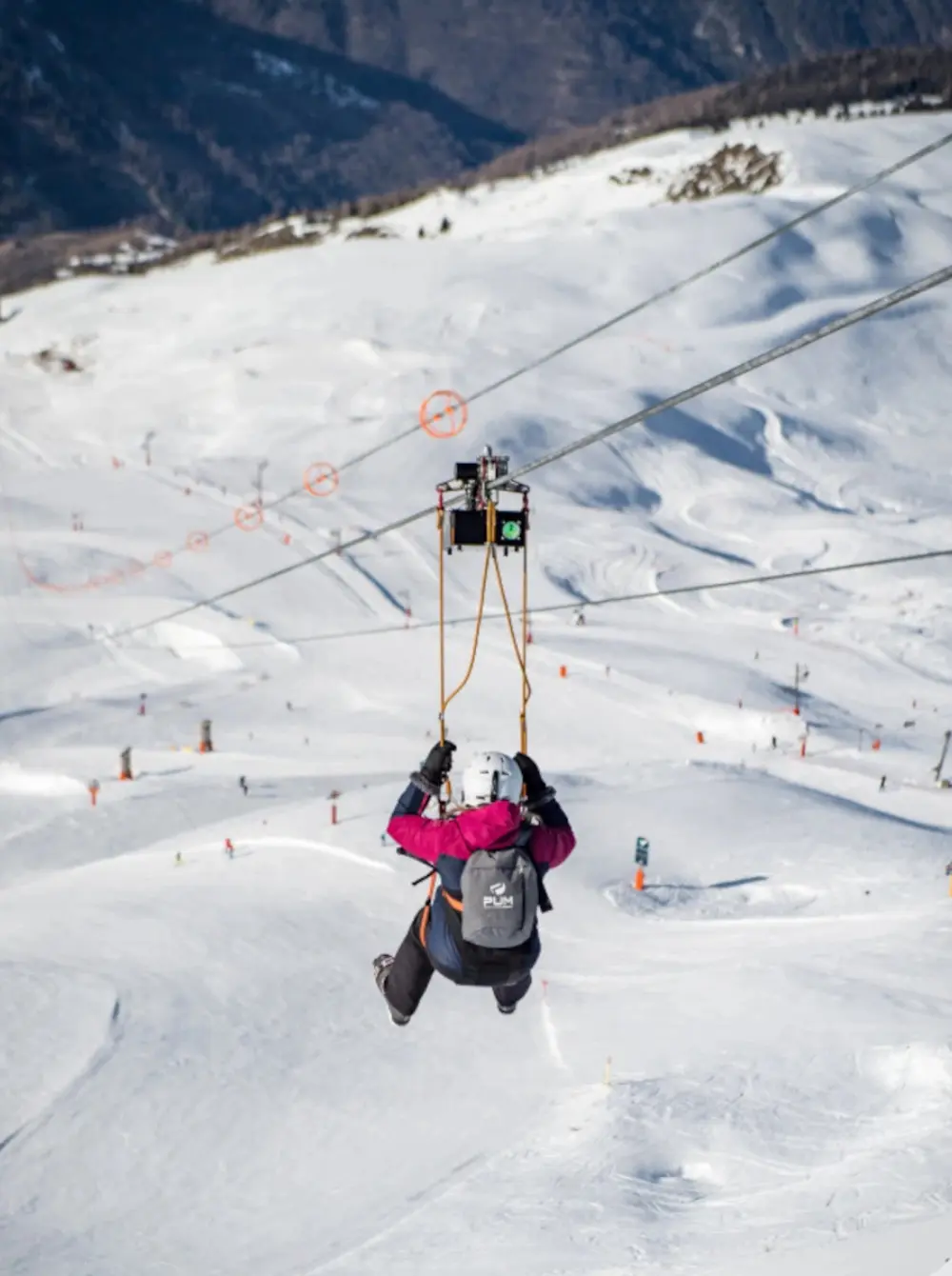
ZipTronik bi-directional autonomous zip line trolley in operation
120 km/h
Max descent speed
35–130 kg
Adult rider weight range
EN 15567 & EN 17109
Certified models available
6,000 km
Primary warranty coverage
Next-generation technology

More than a trolley — a complete operational system
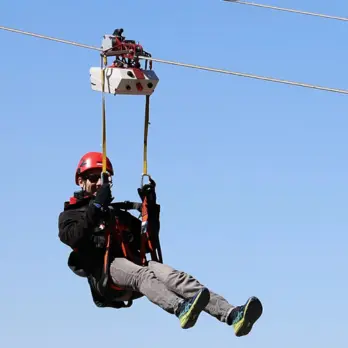
ZipTronik is a fully autonomous, bi-directional trolley system that allows a single cable to carry riders in both directions — eliminating the need for separate retrieval systems and opening entirely new possibilities for course layout and resort integration.

The innovation lies in its energy management. The trolley harnesses the weight difference between ascent and descent, storing energy on the downhill ride to power the return journey uphill. This self-regenerative charging allows the system to complete numerous cycles without relying on external power sources, dramatically reducing operating costs on high-volume sites.

Fully programmable for different site layouts and user profiles, ZipTronik operates with automatic departure docks, integrated braking, and real-time remote monitoring — giving your team complete visibility and control without stationing staff at both ends of every line. For bespoke site engineering, our Zipline Design & Engineering service integrates directly into the fleet selection process.

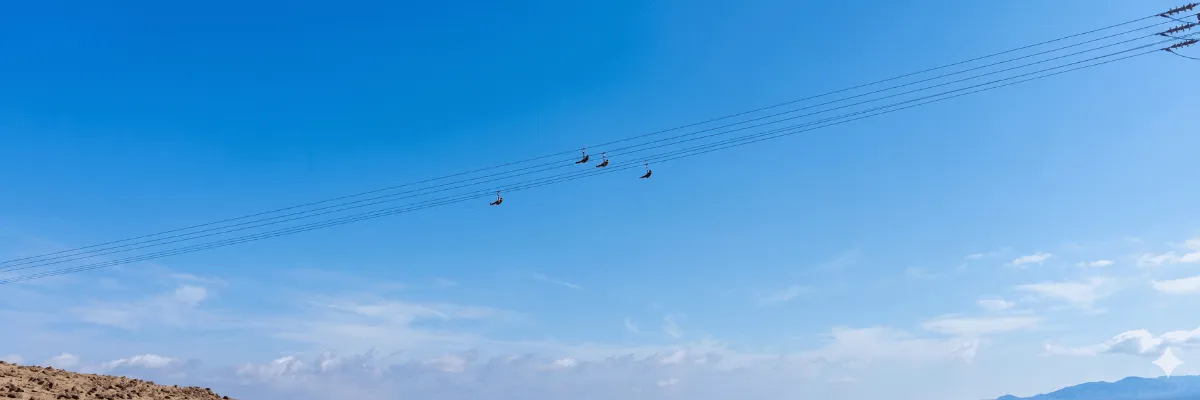
Bi-directional trolleys enable continuous flow: one person zips across, and the next can immediately launch in the opposite direction — eliminating bottlenecks and keeping throughput high throughout the operating day.
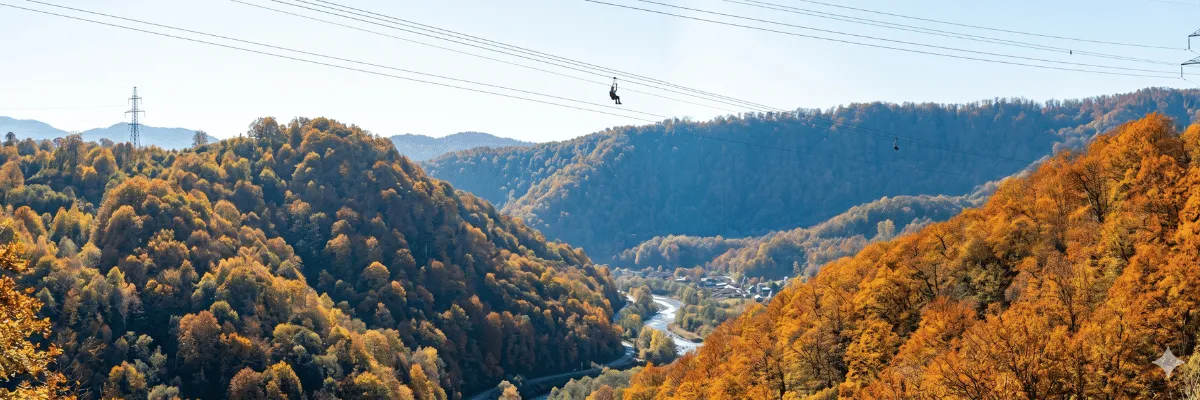
ZipTronik bi-directional zip line trolley in operation
Why operators choose ZipTronik

More riders, less labour, lower operating costs

Autonomous retrieval

Trolleys return automatically to the launch point after each ride, with or without equipment — freeing staff for guest-facing tasks and removing the need for personnel at the landing platform.

Energy recovery

Descent kinetic energy is captured and stored to power the ascent. For sites with lower elevation or heavier demand, interchangeable batteries provide continuous operation without external power dependency.

Real-time visibility

Live operating data on trolley status, usage patterns, and site conditions lets your team make instant decisions. Remote control means one operator can manage multiple lines simultaneously.

Point-to-point design

True point-to-point layouts connecting two distinct locations — without return paths or ground transport — become viable, unlocking new course configurations and resort integration possibilities.

Automated safety

Speed regulation and braking are handled automatically for every ride, ensuring consistent safe arrivals regardless of rider weight or weather. Certified models comply with EN 15567-1 and EN 17109 as standard.

Smaller fleet, same throughput

Because each trolley handles both directions, fewer units maintain the same rider throughput. Combined with lower energy use and simplified maintenance, cost per ride falls significantly versus a conventional fleet.

The commercial case

How bi-directional operation translates to higher revenue

Removing the retrieval step from every cycle means the line never idles waiting for a trolley to return. This directly increases the number of rides per operating hour without any increase in site footprint or staffing. Higher volume per hour, combined with reduced labour requirements, restructures the unit economics of every line.

Shorter wait times translate into higher guest satisfaction and stronger repeat booking rates. The continuous-flow model also supports premium pricing: a demonstrably faster, technologically advanced experience justifies a higher ticket price compared to a conventional queue-and-retrieve operation.

Unique course configurations enabled by bi-directional travel — true point-to-point links, multi-directional networks — function as marketing differentiators that broaden the catchment audience and create upselling opportunities for additional runs and adjacent attractions.

Revenue per hour
Ticket price premium
Labour cost per ride
Fleet size required

Directional indicators show operational movement of each metric versus a comparable single-direction fleet.

Choose your model

Three product families for every installation type

ZipTronik is available across three families: CONDOR for standard ziplines, THE BEAST for high-specification multi-pylon installations, and the LOADER for equipment transport. Each passenger family includes Regen (self-charging) and Boost (interchangeable battery, unlimited cycles) variants.

Standard zipline
CONDOR

12.5–15 kg trolley weight

Up to 120 km/h descent

35–130 kg rider range

EN 15567 certified

Tandem option available

Cable 12–22 mm, max slope 30°

Max line length 2,000 m

− Single-span only

High-spec installation
THE BEAST

17–22 kg trolley weight

Up to 120 km/h descent

35–130 kg rider range

EN 15567 + EN 17109

Tandem option available

Cable 12–22 mm, max slope 22°

Max line length 3,000 m

Pylon passage capable

Equipment transport
LOADER

27 kg trolley weight

Up to 90 km/h descent

Supplies & equipment only

Semi-automated operation

Interchangeable battery

Cable 12–22 mm, max slope 22°

Pylon passage capable

All CONDOR variants also include the CONDOR Kids model, rated for 10–45 kg riders (height 0.70–1.50 m) at up to 60 km/h on lines up to 200 m — designed for junior programmes and family venues. All models are IP54 mechanically sealed and IP66 electronically sealed, rated for −10–+40 °C and up to 10 m/s sustained wind. Optional accessories across all families include two-seater spreaders for tandem rides, ski racks for winter resort operations, lying position extensions, and winches for test weight lifting.


How the assessment works

1

Submit your site data

Line length, cable diameter, vertical drop, SAG percentage, and operational requirements.

2

Engineering review

Our team analyses your zipline profile against each model’s compatibility envelope and operational parameters.

3

Configuration recommendation

You receive the optimal model recommendation with throughput projections and a commercial proposal.

Assess my site →
Ownership and service options

Predictable costs, zero unplanned downtime

Standard warranty package

Every ZipTronik trolley ships with a one-year or 6,000 km primary warranty. The package includes:

Initial operator training
Remote maintenance assistance
Replacement trolley for critical failures
Wear parts provision and restocking
End-of-warranty maintenance inspection

Long-term rental programme

Available from 2025, the long-term rental option gives operators access to the full ZipTronik fleet on an annual-fee basis, covering all maintenance, upgrades, and replacements:

Predictable, transparent annual cost
Reduced personnel and transport overheads
Always on the latest technology version
No large upfront capital outlay required
What to prepare before your assessment The compatibility form asks for your total line length, cable diameter, vertical drop, and SAG percentage. If you have a technical file from a zipline engineering survey, attaching it significantly accelerates the assessment. You can also email it directly to This email address is being protected from spambots. You need JavaScript enabled to view it.. Also see our Ziplines and Zipwires page for conventional single-direction systems and braking hardware.
Common questions

Frequently asked questions

How is ZipTronik different from a standard zip line trolley?

Traditional trolleys rely entirely on gravity and travel in one direction only. ZipTronik carts are fully autonomous and bi-directional — they return to the start without any manual intervention, regulate their own speed, and recharge themselves during descent. This fundamentally changes the operational model for the entire line, not just the ride experience.

What is the main difference between CONDOR and THE BEAST?

The key structural difference is pylon passage capability. CONDOR models are engineered for single-span ziplines without intermediate pylons. THE BEAST supports multi-pylon installations and is certified to both EN 15567 and EN 17109 (European Zipline and Amusement Ride Standards), reflecting the additional engineering required for pylon navigation.

How does the energy recovery system work in practice?

During descent, the trolley’s braking mechanism converts kinetic energy into electrical charge stored in an onboard battery. That stored charge then powers the uphill return. Regen variants complete approximately 100 autonomous cycles on an average 25% slope with an 80 kg load before any external charge is needed. Boost variants use interchangeable batteries for unlimited cycles on sites with lower elevation or higher continuous throughput.

Can ZipTronik operate in adverse weather conditions?

Yes. The systems are built for year-round outdoor operation across a wide range of temperatures and wind conditions. Automated speed regulation means arrival performance is consistent regardless of weather changes between individual rides. Optional ski racks across the CONDOR and BEAST families make them equally suitable for winter resort operations.

Is there an ongoing service option beyond the standard warranty?

From 2025, a long-term rental programme is available as an alternative to outright purchase. It covers all the standard warranty services on an annual-fee basis, keeps you on the latest technology version, and eliminates the need for large upfront capital. Contact our zipline engineering team for current rental terms and fleet sizing guidance.

EN 15567 & EN 17109 certified models Fully autonomous, energy-recovering operation Skywalker zipline expertise since 2005 Offices in Amsterdam, Dubai & Riyadh

Does ZipTronik work on your site?

Complete the short compatibility assessment and our engineering team will recommend the right configuration for your zipline profile — free of charge, with no commitment.