

• 1.jpg
  • 2.jpg
  • 3.jpg
  • 4.jpg
  • 5.jpg
  • 6.jpg
  • 7.jpg

Select your language

Designed for professional operators, this guide details a proven adventure park business model to boost efficiency and turnover.

As an operator in the adventure and recreation industry, you’re always looking for the next edge. How can you increase footfall, improve operational efficiency, and build a brand that stands out? The answer lies in evolving your approach from simply offering activities to creating a comprehensive, high-yield adventure park business model. It’s a shift from selling tickets to building a destination, ensuring your park not only survives but thrives in a competitive market. This guide breaks down the essential components of that modern model.

Expanding Your Audience Beyond the Thrill-Seeker

The first strategic shift in a modern adventure park business model is to broaden your target market. Many attractions fall into the trap of marketing exclusively to adrenaline junkies, but this limits your potential guest pool and alienates a much larger, more profitable demographic.

Successful operators are discovering that the most profitable path forward involves deliberately avoiding niche marketing terms like ‘extreme’ or ‘adrenaline.’ The goal is to position the park as a mass-market destination. The experiences may be fast, high, or exciting, but the messaging should focus on fun, unique views, and creating memories. This subtle change in language opens the door to families, corporate groups, and casual visitors who might otherwise feel intimidated.

Inclusivity is the cornerstone of this approach. A truly successful park is one where everyone feels welcome. This means designing experiences and facilities that cater to a wide range of visitors, including:

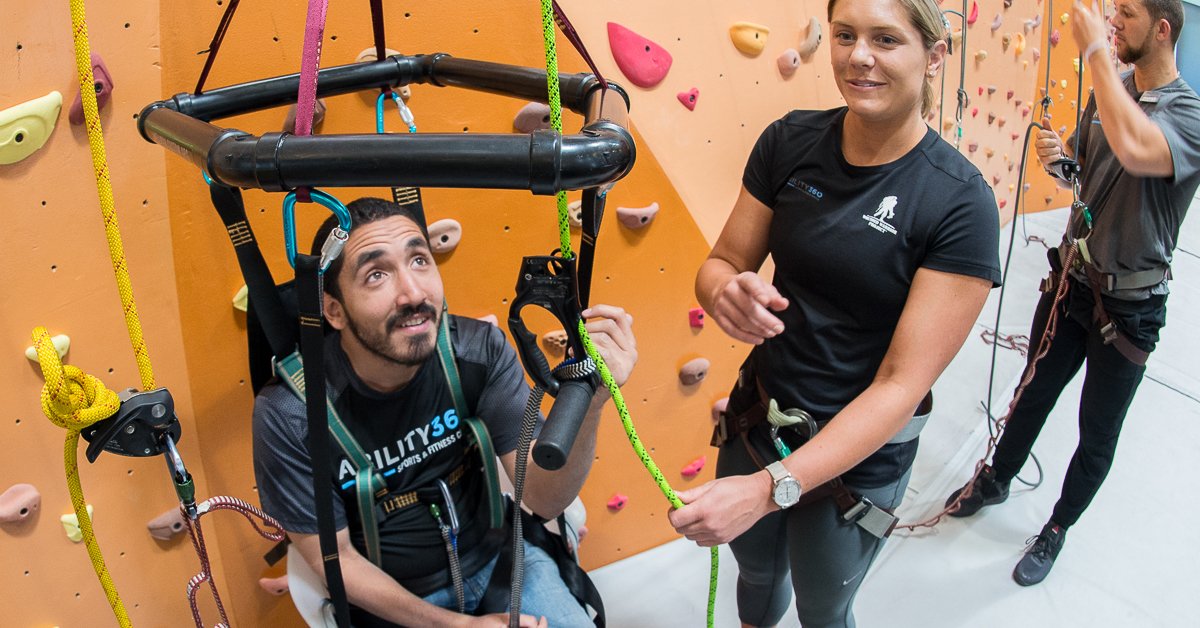
  • Guests with Disabilities: Many high-intensity attractions can be adapted for guests with physical limitations, including amputees or visually impaired individuals. Investing in accessible pathways, specialized harnesses, and staff training demonstrates a commitment to inclusivity that builds powerful brand loyalty.
  • All Ages: While a high-speed zipline might be the main draw, is there something for younger siblings or older grandparents to do? By offering a spectrum of activities—from challenging treetop courses to gentle woodland walks or scenic rides—you cater to multi-generational family groups, increasing both dwell time and overall spend.
  • Non-Participating Guests: A significant portion of your visitors, often the person who made the booking, may not want to participate in the main activities. Don’t ignore them. Provide comfortable seating areas, quality food and beverage options, engaging viewing platforms, and even VR experiences that allow them to share in the excitement from the ground. These guests are crucial to the group's decision to visit your park.

Even welcoming pets can be a simple but effective way to remove a barrier to entry for many families. By thinking of your park as a welcoming space for everyone, not just the core thrill-seeker, you dramatically increase your potential market and create a more vibrant, family-friendly atmosphere that encourages longer stays and repeat visits.

The High-Yield, High-Volume Operating Model

To maximize profitability, your adventure park business model must balance high throughput with a high price point. This combination, often considered difficult to achieve, is the key to financial success in this industry. It requires a sophisticated approach to operations, pricing, and booking.

The foundation of this model is maximizing the use of your anchor attractions. For a world-class zipline or an alpine coaster, this means operating from early morning until late evening, especially during peak seasons. Extending operating hours captures different market segments, such as early risers and those looking for a unique sunset experience. This strategy requires robust staffing and lighting but can effectively double the daily revenue potential of a single ride.

Dynamic pricing is another critical component. Instead of a flat fee, prices should fluctuate based on demand, time of day, and day of the week. A weekend slot in the middle of the day should command a premium price, while a Tuesday morning slot might be offered at a discount. This model, borrowed from the airline and hotel industries, helps smooth out demand, encourages off-peak visits, and maximizes revenue from every available slot.

Here are some pillars of this high-yield, high-volume model:

  • Drive Pre-Bookings: Aim for the vast majority of your visits—upwards of 80%—to be booked in advance online. This provides predictable revenue streams, simplifies staff scheduling, and allows you to manage capacity efficiently. It also reduces on-site queuing, improving the overall guest experience from the moment of arrival.
  • Bundle and Upsell: Never just sell a single ride. Package experiences together. A sunset ride on the coaster could be bundled with a burger and a drink. A zipline experience can be sold with a high-margin photo and video package. These add-ons significantly increase the average spend per guest.
  • Leverage Seasonal Events: Use your park's infrastructure to host seasonal events that create new reasons to visit. Halloween-themed forest walks, festive winter light displays, or holiday-themed adventures can fill traditionally slower periods and attract a different type of customer.

By implementing these strategies, you shift from being a passive ticket-seller to an active revenue manager. You gain control over your visitor flow and create a financial engine that is both powerful and resilient, ensuring your marquee attractions deliver their full commercial potential.

Diversification: Building a Multi-Faceted Destination

A single, world-class attraction might get you noticed, but a diverse portfolio of experiences is what builds a sustainable business. The most forward-thinking adventure park business model focuses on turning a day-trip location into a short-break destination. This requires strategic diversification of both activities and amenities.

Ziplines are a great starting point, but they now represent just one piece of the puzzle. The goal is to create a layered experience where guests can spend an entire day, or even a weekend, without running out of things to do. Consider expanding your offerings with complementary attractions that appeal to different segments of your broadened audience:

  • Woodland Adventures: Treetop courses, alpine coasters, and mountain carts use the natural landscape to create engaging, family-friendly experiences with high throughput.
  • Underground Exploration: If your location allows, subterranean attractions like cavern courses, underground trampolines, or even adventure golf in a mine or cave offer a unique, all-weather option that sets you apart.
  • Aerial Views: For less adventurous guests, consider attractions that offer thrills without extreme intensity. Observation blimps or rotating viewing platforms can provide stunning panoramic views and act as massive aerial billboards for your brand.

The ultimate step in diversification is adding accommodation. This is the move that transforms your park from an activity provider into a genuine holiday destination. By offering on-site lodging—whether it’s luxury lodges, eco-pods, or a refurbished hotel—you capture a much larger share of your guests' travel budget. This creates the opportunity to sell multi-day packages that seamlessly bundle accommodation, activities, and food. This all-inclusive approach simplifies the booking process for the guest and significantly increases the lifetime value of that customer.

This packaged model provides a seamless, high-quality experience. Guests arrive, check in, and their entire itinerary is taken care of. They don't have to think about what they're paying for each individual component; they just enjoy the value of the overall experience. This is the key to dominating the short-break market and securing a powerful competitive advantage.

In-House Control and Sustainable Expansion

As you grow, maintaining quality and agility is paramount. A successful adventure park business model relies on having maximum control over the key aspects of your operation. While it may seem easier to outsource, building in-house capabilities is a powerful strategy for long-term success and brand protection.

Bringing key functions in-house provides unparalleled control over quality, timelines, and costs. While it requires an initial investment in talent and resources, the long-term benefits are substantial. Leading operators are building internal teams to handle nearly every aspect of the business, which gives them a significant competitive edge when approaching landowners and potential partners. Having a proven, self-sufficient operational team provides a huge amount of reassurance.

Key areas to develop in-house capabilities include:

  • Construction and Maintenance: Having your own construction crew allows you to build and install new attractions more quickly and cost-effectively. They understand your specific terrain and operational needs, and can perform maintenance and safety checks with expert efficiency.
  • Marketing and Sales: An internal marketing, social media, and PR team lives and breathes your brand. They can react to market changes instantly and create authentic content that resonates with your audience. A dedicated call center ensures customer service is always aligned with your brand values.
  • Data and IT: In today's market, data is everything. An in-house IT and data analysis team can manage your booking systems, implement dynamic pricing, and provide critical insights into visitor behavior, helping you make smarter business decisions.
  • Training and HR: Your staff are your most important asset. An internal training program ensures that every employee, from the car park attendant to the safety instructor, delivers an exceptional and consistent customer experience.

This model of vertical integration also extends to your expansion strategy. Growth should be managed directly, rather than through franchising, to protect your brand's reputation. Health and safety, customer experience, and operational standards must remain under your direct control. Expansion can be a mix of organic growth—developing new sites from scratch—and strategic acquisition of existing attractions that can be rebranded and integrated into your portfolio.

Finally, growth must be responsible. A modern adventure park is a partner in the local economy, not just a user of its landscape. Committing to sustainable practices, such as using electric vehicles for guest transport, engaging with local suppliers, and contributing positively to the regional economy, is not just good ethics—it's good business. It builds goodwill, aids in securing planning permissions, and strengthens your brand as a responsible leader in the adventure tourism industry.

A Profitable Adventure Park Business Model for Growth

In conclusion, the modern adventure park business model is a holistic ecosystem. It begins by broadening your audience beyond the hardcore enthusiast to welcome everyone. It’s powered by a high-yield, high-volume operational engine using dynamic pricing and pre-bookings. It achieves longevity through smart diversification into a multi-activity, short-break destination. And it is sustained by maintaining in-house control over core functions and committing to responsible, sustainable growth. By adopting these principles, you can build a resilient, profitable, and beloved brand that sets the standard in the recreation industry.

FAQs

How do we start implementing dynamic pricing?

Start small. Analyze your current booking data to identify peak and off-peak times. Begin by creating two or three price tiers: a premium rate for weekend afternoons, a standard rate for weekdays, and a value rate for early morning or late evening slots. Use your online booking system to manage this, and clearly communicate the value of off-peak tickets to your customers.

What is the most crucial first step in diversifying our attractions?

The first step is to understand your current audience and who you are missing. Survey your guests to see what other activities they would enjoy. Look for an attraction that complements your main draw but appeals to a different group. For example, if you have a high-intensity zipline, adding a family-friendly alpine coaster or a scenic treetop walk can capture the family market without cannibalizing your core offering.

Is building an in-house construction team realistic for a smaller park?

While a full-scale construction team might be too ambitious initially, you can start by hiring a skilled, full-time maintenance and fabrication lead. This person can manage smaller projects, oversee contractors more effectively, and build a small team over time. The key is to gradually reduce your reliance on external contractors for core operational and safety-critical work.

How important is the customer experience outside of the main attractions?

It is critically important. A guest's day is shaped by every interaction, from the person directing traffic in the car park to the cleanliness of the toilets and the quality of the coffee. A positive experience in these "minor" areas builds trust and makes guests more receptive to spending money on your high-margin activities, food, and merchandise. It is often the first and last impression they have of your park.

Should we avoid a franchise model for expansion?

For brands where safety and customer experience are the absolute top priorities, a direct ownership or management model is generally recommended over franchising. Franchising can dilute brand control and introduce risks to your reputation if a franchisee fails to meet your rigorous standards. Direct control ensures every location delivers the same high-quality, safe experience your brand is known for.

Additional expert information on the Adventure Business

Interested to read more about the Adventure Business with our expert articles?