



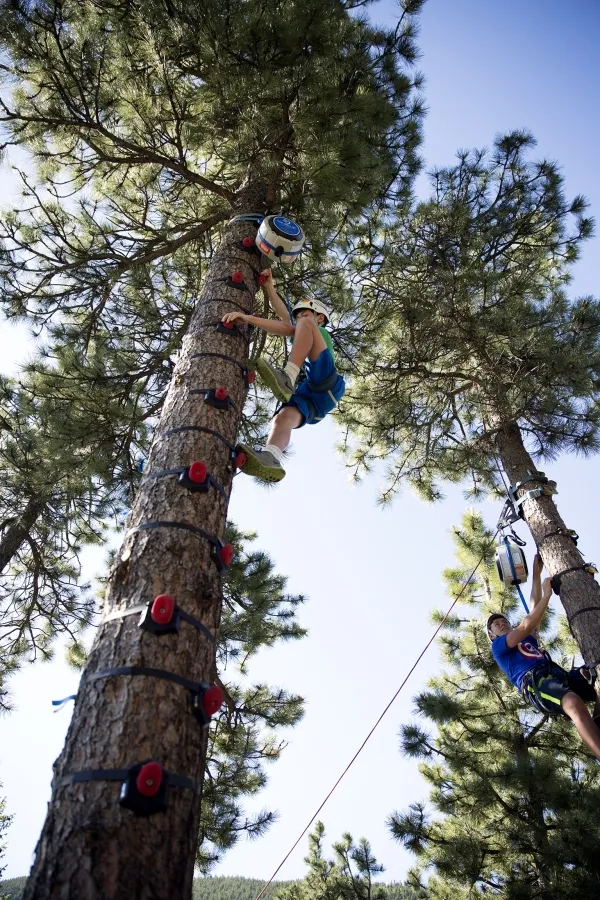
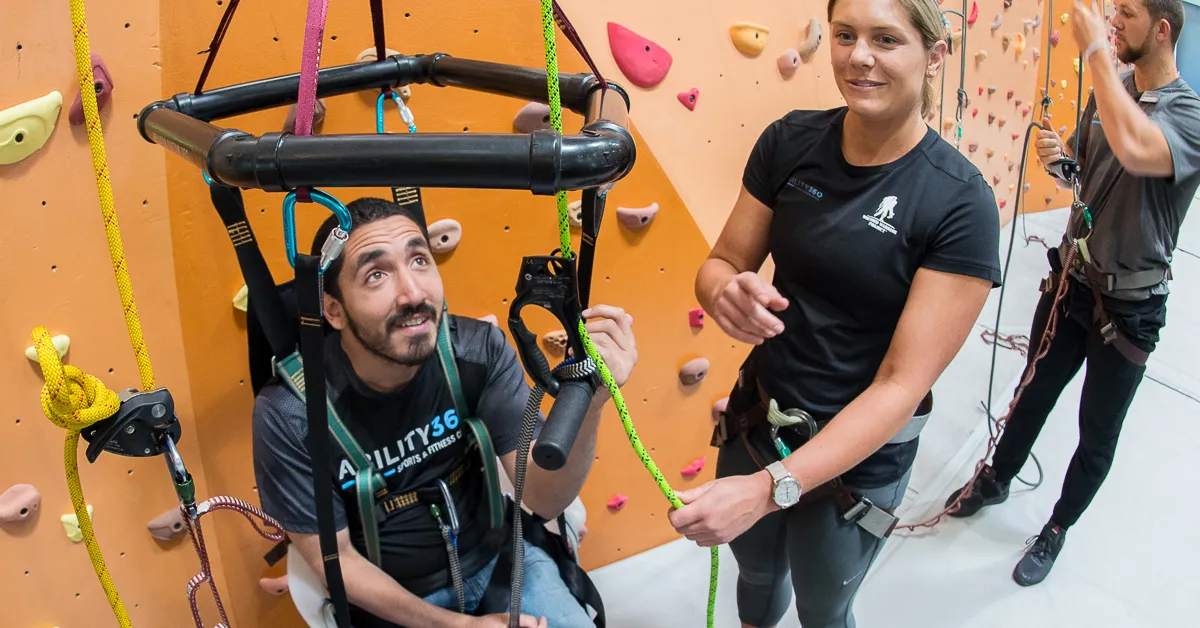
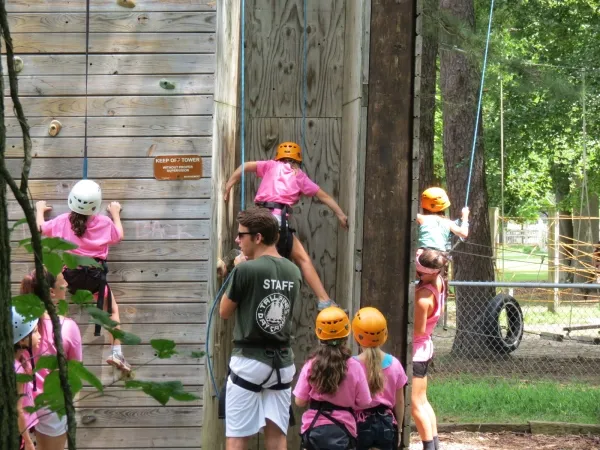
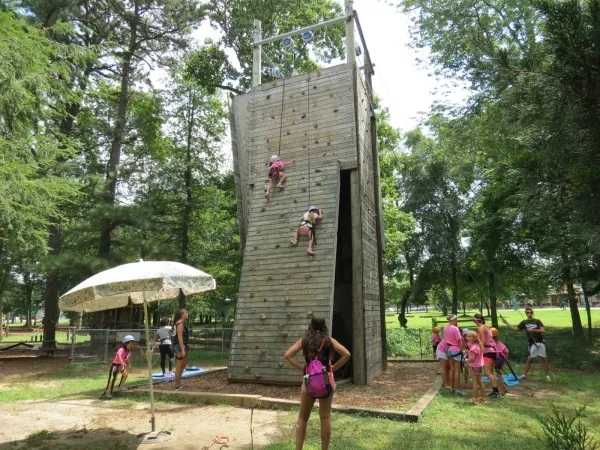
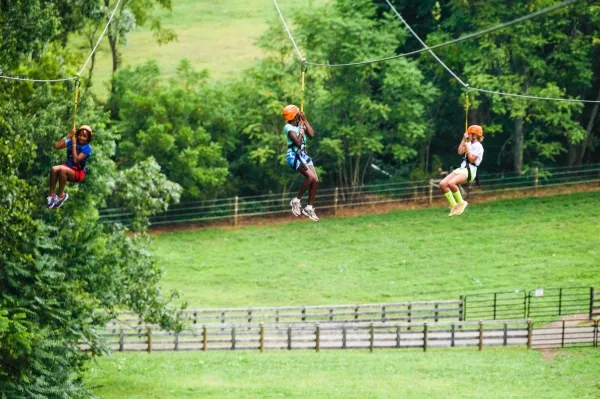

Mastering your adventure park OPEX requires a strategic balance between traditional high ropes and high-throughput unharnessed attractions. Operators frequently underestimate the financial drain of continuous safety equipment maintenance and intense staff supervision. By shifting focus toward netted play zones, you can eliminate bottlenecks and instantly widen your profit margins.
Harnessed vs. unharnessed attractions: the secret to OPEX efficiency
Finding the perfect attraction mix is the ultimate key to optimizing your daily running costs. Traditional harnessed courses draw thrill-seekers but come with severe logistical overhead. Transitioning to unharnessed alternatives allows operators to drastically cut down on staffing and gear expenses while keeping visitor engagement exceptionally high.
How to reduce adventure park OPEX
The fastest way to lower your adventure park OPEX is by reducing your dependency on complex personal protective equipment. Every harness and lanyard requires daily checks, periodic logging, and eventual replacement. Swapping just a fraction of your capacity to unharnessed zones immediately removes these recurring expenses from your balance sheet.
The hidden costs of harnessed attractions
While classic ropes courses are exciting, they inherently throttle your maximum daily capacity. Participants require comprehensive safety briefings and continuous monitoring to ensure they operate their gear correctly. This hands-on requirement translates directly into higher labor costs and unavoidable queue times during peak operational hours.
Lowering PPE procurement costs and EN 15567 compliance
Compliance with EN 15567 standards for PPE mandates rigorous inspection routines and strict retirement schedules for all safety gear. Purchasing, tracking, and maintaining this equipment creates a massive administrative and financial burden for operators. Minimizing the number of harnessed participants actively lowers your overall PPE procurement costs and compliance workload.
Optimizing staff supervision ratios
Standard industry staff-to-visitor supervision ratios for active belay courses often require one instructor for every ten to fifteen participants. This high labor demand severely inflates your overhead, especially on busy weekends. Shifting visitors to passive safety systems allows a single staff member to safely monitor dozens of guests simultaneously.
The financial power of unharnessed net adventures
Netted attractions represent a paradigm shift in recreational profitability and asset utilization. Because the safety system is built directly into the infrastructure, guests can roam freely without specialized gear or training. This frictionless experience creates a massive surge in throughput and eliminates the traditional friction points of high ropes operations.
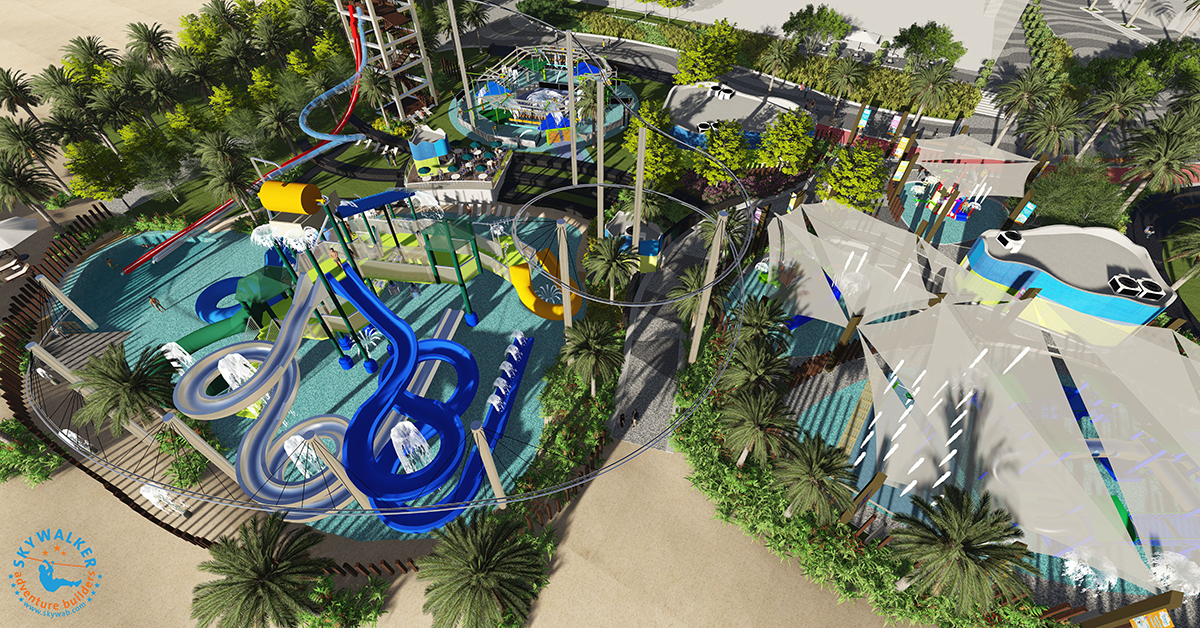
Benefits of unharnessed net adventures
The primary advantage of these structures is massive throughput with minimal supervision. You can comfortably host hundreds of visitors at once without worrying about clipping bottlenecks or gear shortages. This seamless flow directly boosts your ticket sales capacity while keeping your baseline expenses comfortably flat.
- Zero harness requirements eliminate the need for time-consuming gear fitting and training briefings.
- Passive safety infrastructure allows a single operator to oversee vast net adventures effortlessly.
- Continuous guest flow completely removes the platform bottlenecks associated with traditional clip-in courses.
- Inclusive accessibility empowers families and younger children to participate without intimidating safety restrictions.
Maximizing spatial efficiency and visitor flow
Netted structures utilize vertical space beautifully, transforming unused canopy areas into multi-level exploration zones. This prevents ground-level congestion and encourages visitors to spread out naturally across the attraction. A steady, unhindered visitor flow ensures maximum spatial efficiency throughout the entire operational day.

Striking the perfect product mix for ROI
The most lucrative operations perfectly balance the thrill of high ropes with the volume-driven efficiency of net parks. Using unharnessed zones as a holding area absorbs excess crowds while they wait for premium harnessed attractions. This strategic layout ensures the perfect product mix for ROI effortlessly.
Creating holding zones for peak hours
Smart operators use unharnessed areas as engaging active waiting rooms for their premium harnessed rides. Instead of standing in frustrating queues, guests remain entertained and physically active while awaiting their turn. This smart attraction mix drastically improves customer satisfaction metrics while protecting your baseline revenue.
Building a sustainable business model
Future-proofing your facility means actively insulating your balance sheet against rising labor and equipment costs. A diverse attraction portfolio ensures that a sudden spike in attendance does not trigger an equal spike in staffing requirements. This calculated operational balance guarantees a resilient, sustainable business model.
Building a highly profitable recreation destination relies entirely on matching visitor thrill with intelligent infrastructure choices. By consciously blending intensive high-ropes courses with high-capacity netted zones, operators can eliminate frustrating gear bottlenecks. Ultimately, this strategic approach perfectly optimizes your adventure park OPEX and secures long-term financial success.
Planning an Adventure project? Need expert advice on Adventure park design?
Get in touch today!
Frequent asked questions
How can operators reduce adventure park OPEX?
Operators can dramatically cut their adventure park OPEX by investing in attractions that do not require personal protective equipment. Unharnessed environments remove the need for extensive safety briefings and heavy staffing. This instantly lowers daily running costs while vastly increasing overall visitor throughput.
What are the hidden costs of harnessed attractions?
The primary hidden expenses revolve around PPE maintenance, replacements, and intensive labor. Every guest requires an instructor's time for harnessing, briefing, and active supervision on the course. These mandatory safety steps severely limit capacity and continuously drain operational budgets.
Why are unharnessed net adventures highly profitable?
These structures rely on passive safety, meaning the infrastructure itself protects the participant. Because guests do not need gear, you can push massive volumes of people through the attraction simultaneously. This high capacity combined with minimal staffing needs makes it an incredibly lucrative asset.
How do staff-to-visitor ratios impact park revenue?
Strict supervision ratios mean you must hire more instructors to safely accommodate larger crowds, directly impacting your adventure park OPEX. If you rely solely on harnessed activities, your labor costs scale linearly with your attendance. Shifting to unharnessed zones breaks this costly cycle, allowing one staff member to safely monitor massive groups.
What are the EN 15567 standards for PPE maintenance?
The EN 15567 standards dictate strict, documented inspections and retirement schedules for all harnesses, lanyards, and carabiners. Adhering to these regulations requires significant administrative time and frequent equipment repurchasing. Reducing the sheer volume of gear in circulation is the smartest way to lighten this compliance burden.