


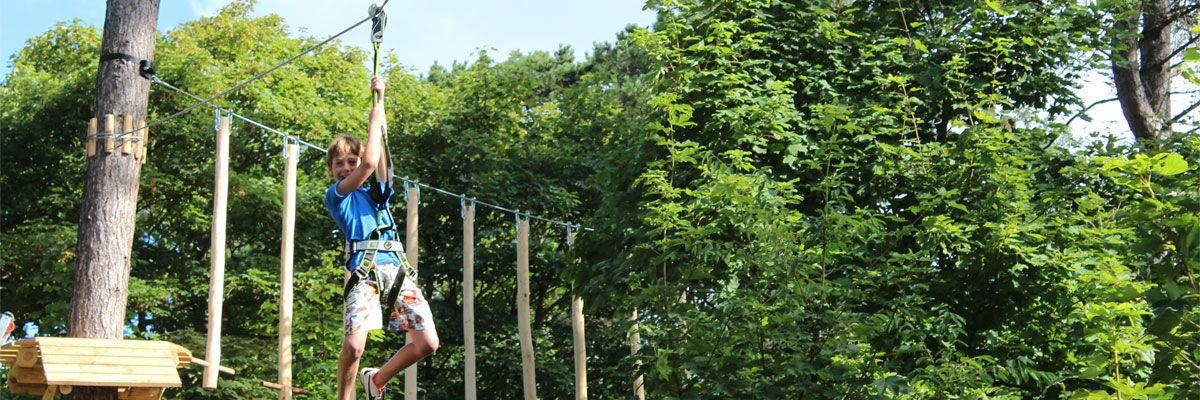


Zip lines offer an adrenaline-pumping experience, but the potential for collisions poses a significant safety concern. Adventure parks must implement stringent protocols to prevent these incidents, ensuring a secure and enjoyable experience for all participants. Effective collision prevention involves careful planning, robust equipment, and well-trained staff.
Zip line collisions can result from various factors, including speed variations, insufficient spacing, and equipment malfunctions. Recognizing these potential hazards is the first step in prevention. Parks must assess the layout of their zip lines, considering factors like terrain, wind conditions, and participant volume. A thorough risk assessment can identify areas where collisions are more likely to occur, allowing for targeted safety measures.
The Importance of Effective Spacing and Timing
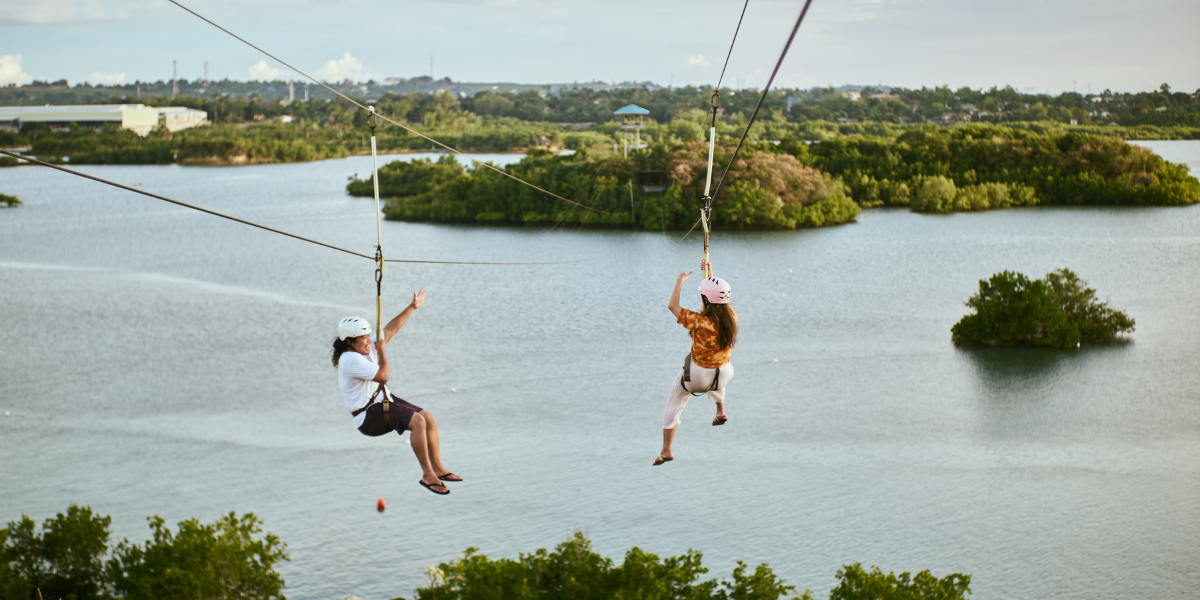
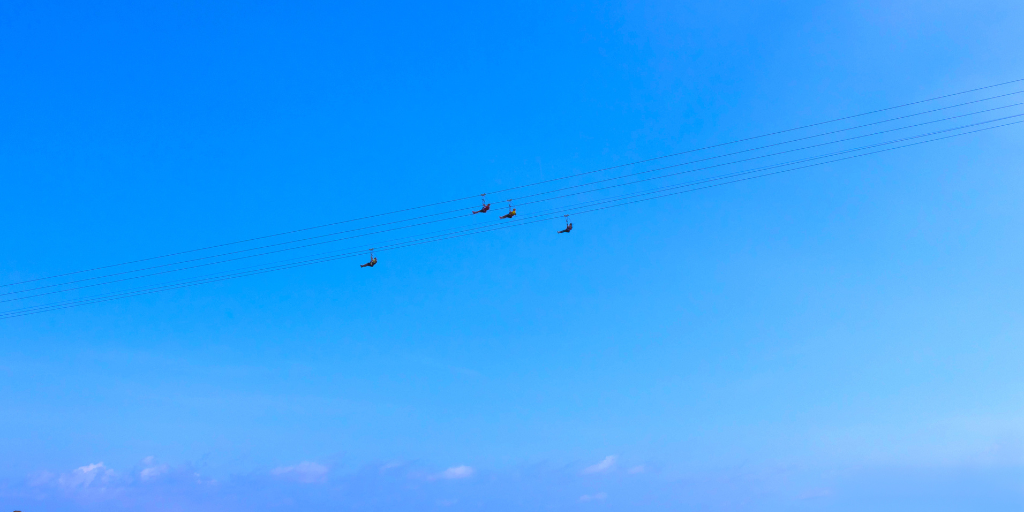
Proper spacing between participants is crucial for preventing collisions. This involves careful monitoring of launch intervals and ensuring that participants maintain a safe distance throughout the zip line course. Implementing a timing system can help staff regulate launch intervals, preventing participants from bunching together. Additionally, clear communication between staff at different points along the course is essential for maintaining safe spacing.
Reliable Braking Systems and Speed Control
Effective braking systems are vital for preventing collisions at the landing platform. These systems should be regularly inspected and maintained to ensure reliable performance. Automatic braking systems can provide an extra layer of safety, reducing the risk of human error. Furthermore, speed control measures, such as adjusting cable tension or using speed-regulating devices, can help prevent participants from approaching the landing platform at excessive speeds.
Comprehensive Staff Training and Vigilance
Well-trained staff play a crucial role in preventing zip line collisions. Training should cover collision prevention techniques, emergency procedures, and effective communication. Staff must be vigilant in monitoring participant progress and ready to intervene if necessary. Regular refresher training ensures that staff remain proficient in handling potential collision scenarios. Effective communication between all staff members is vital.
Implementing Clear Participant Guidelines
Clear guidelines and safety briefings for participants are essential. These briefings should cover proper body positioning, braking techniques, and awareness of other participants. Providing visual aids and demonstrations can help participants understand and follow safety protocols. Enforcing weight and height restrictions also contribute to overall safety.
Conclusion:
Preventing zip line collisions requires a proactive and comprehensive approach. By understanding the risks, implementing effective spacing and timing, ensuring reliable braking systems, providing thorough staff training, and establishing clear participant guidelines, adventure parks can significantly reduce the potential for collisions, ensuring a safe and thrilling experience.
FAQs:
- What are the main causes of zip line collisions?
- Causes include speed variations, insufficient spacing, and equipment malfunctions.
- How can adventure parks ensure proper spacing between zip line participants?
- Implementing timing systems, monitoring launch intervals, and ensuring clear staff communication.
- What role do braking systems play in preventing zip line collisions?
- Reliable braking systems help control speed and prevent collisions at the landing platform.
- What key elements should zip line staff training cover for collision prevention?
- Training should include collision prevention techniques, emergency procedures, and effective communication.
- How can participant guidelines contribute to zip line collision prevention?
- Clear guidelines and safety briefings help participants understand and follow safety protocols.
Planning a zipline installation? Need expert advice on zipline design?
Get started Today