



• 1.jpg
  • 2.jpg
  • 3.jpg
  • 4.jpg
  • 5.jpg
  • 6.jpg
  • 7.jpg
  • 042A8449-LowRes.jpg
  • inclusive-climbing.jpg
  • JULY-24-071.jpg
  • JULY-24-079.jpg
  • RVR_zipline-06.jpg
Maximize safety with expert insights into zipline platform design, structural steel, and deadman anchors. Upgrade your adventure park infrastructure today.

Proper zipline platform design is the critical foundation of any safe and profitable aerial adventure operation. By implementing rigorous structural engineering principles, you protect your guests and extend the lifespan of your physical assets. This comprehensive overview covers the core mechanics necessary to build resilient, high-capacity launch and landing structures.

Core principles of structural engineering for ziplines

Understanding the intense forces at play is the first step in constructing reliable adventure park platforms. Engineers must meticulously calculate loads to guarantee the physical safety of your visitors.

Building safe zipline launch towers

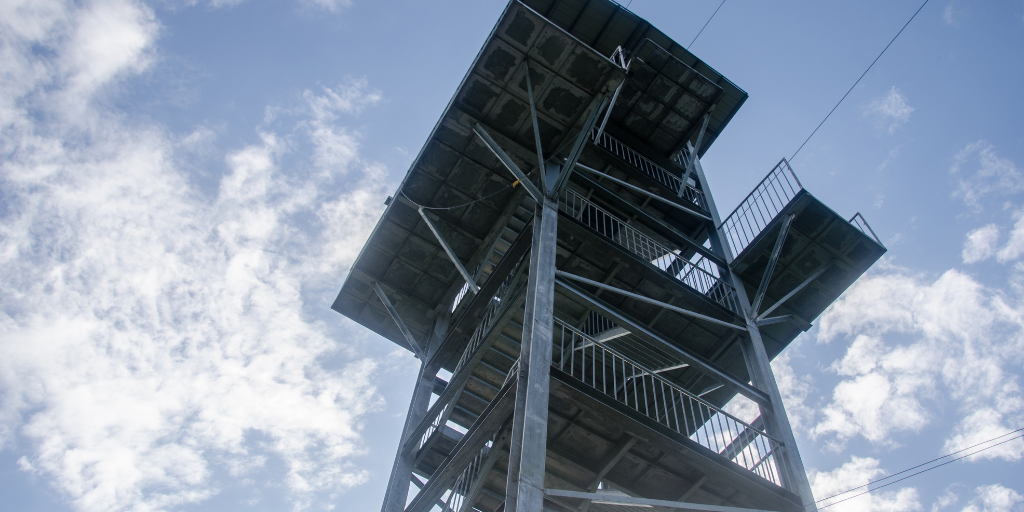
Designers must account for both the static weight of the structure and the massive dynamic forces introduced by moving riders. An incredibly sturdy zipline tower construction guarantees that the launch area will not sway or buckle under extreme tension. Implementing generous dispatch clearance ensures staff can operate efficiently and safely connect guests to the primary cables.

Material selection and fabrication standards

Choosing the right materials prevents rapid degradation and minimizes long-term maintenance costs. High-quality fabrication protects your capital investment from harsh outdoor elements.

Structural steel requirements for ziplines

Commercial operators heavily favor powder-coated steel because it provides unparalleled resistance to weather and continuous mechanical stress. All load-bearing metallic connections must strictly adhere to American Welding Society (AWS) standards to prevent catastrophic hardware failures. Additionally, integrating high-grade treated timber softens the visual impact of the tower, blending the heavy infrastructure into the natural environment.

  • Weather resistance: Premium coatings prevent rust in highly humid or coastal environments.
  • High tensile strength: Industrial metals withstand the intense friction of heavy trolleys.
  • Aesthetic integration: Combining heavy steel with natural wood maintains the rugged outdoor atmosphere.

Foundation and stability mechanics

A towering structure is only as reliable as the deep foundations anchoring it to the earth. Without solid ground support, the entire system becomes compromised.

Anchoring commercial ziplines correctly

Massive deadman anchors are buried deep beneath the surface to hold the primary riding cables securely in place. To prevent the tower from leaning forward under this immense lateral pull, engineers install heavy-duty guy wires behind the structure. This precise counter-tensioning completely neutralizes dangerous wind shear and keeps the entire platform perfectly plumb.

Optimize your aerial attraction with our comprehensive guide to zipline platform design and construction. Maximize your park's throughput today.

Site assessment and ground conditions

Thorough testing of the earth dictates how large and deep the structural foundations must be. Every location presents unique environmental challenges that must be addressed.

Geotechnical engineering for adventure park platforms

Professional geotechnical engineering is mandatory to accurately determine the exact soil composition and load-bearing capacity of your site. Loose sand requires vastly different and much deeper concrete footings than solid bedrock. Bypassing this crucial soil testing phase severely compromises the structural integrity of your zipline anchors and endangers your entire operation.

Implementing professional zipline platform design ensures your aerial attractions withstand heavy daily use and extreme environmental forces. Partnering with certified structural engineers secures your investment and guarantees maximum guest safety over the long term. Start assessing your current adventure park platforms today to optimize operational throughput and mitigate structural risks.

Planning a zipline installation? Need expert advice on zipline design?

Get started Today

Frequent asked questions

How do you anchor a commercial zipline?

Commercial systems utilize massive deadman anchors buried deep underground to resist extreme cable tension. Proper zipline platform design requires structural engineers to calculate exact load requirements before pouring these massive concrete foundations. This critical step ensures the cables remain perfectly tensioned under maximum operational loads.

What materials are used for zipline platforms?

Operators typically rely on a combination of powder-coated steel and highly durable treated timber to build resilient structures. Structural steel provides the necessary tensile strength, while treated wood blends seamlessly into natural outdoor environments. All metal connections must meet strict American Welding Society (AWS) standards to guarantee absolute safety.

How do guy wires stabilize a zipline tower?

Engineers install highly tensioned guy wires to counteract the immense forward pull generated by the main riding cables. These critical structural elements transfer the heavy lateral pull safely away from the tower and directly into the ground anchors. This stabilization prevents the launch structures from bending or collapsing under extreme wind shear.

Why is geotechnical engineering important for ziplines?

Comprehensive geotechnical engineering identifies the exact soil composition and load-bearing capacity of your specific adventure site. This crucial soil data dictates the required depth and sheer mass of the concrete foundations utilized in your zipline platform design. Skipping this assessment puts your entire adventure park at severe risk of structural sinking or total failure.

What are the safety standards for zipline platform design?

Every structural component must adhere to rigorous international frameworks that dictate safe dispatch clearance and maximum dynamic load limits. Engineers meticulously calculate both the static weight of the tower and the extreme forces generated by heavy riders braking at high speeds. Meeting these strict tolerances ensures your adventure park platforms operate safely year after year.

Related reading

More on zipline technology

Product Ziplines & Zipwires

Cable grades, span configurations and throughput planning for commercial zipline installations.

Product Bi-Directional Zipline Trolleys

Return-trip zipline technology that eliminates walk-back queues and increases hourly capacity.

Product ZipCoaster — Rollercoaster Zipline

A seated, track-guided zipline engineered for resort-scale throughput and sustained guest excitement.

Product category Thrill Adventures — Full Range

ZipCoaster, free-fall devices, adventure towers and the complete Skywalker thrill attraction lineup.

Product Zipline Brake Systems

Passive and active braking options matched to terrain profile, cable length and rider weight range.

Service Zipline Design & Engineering

What an engineered zipline specification covers — and why site-specific design protects your permit and insurance position.

Shop Order: Zipline Braking Systems

Certified zipline brakes for new installations and replacement orders.

Shop Order: Zipline Trolleys

Compatible trolley sets for standard and bi-directional zipline configurations.

Shop Order: Zipline Harnesses

EN 15567-compliant harness range for guest-facing zipline operations.

Turnkey planning Build Your Park

Planning a full destination with multiple zipline attractions? The Skywalker turnkey process starts with a fixed-price feasibility study.