
• 1.jpg
  • 2.jpg
  • 3.jpg
  • 4.jpg
  • 5.jpg
  • 6.jpg
  • 7.jpg
  • 042A8449-LowRes.jpg
  • inclusive-climbing.jpg
  • JULY-24-071.jpg
  • JULY-24-079.jpg
  • RVR_zipline-06.jpg
Optimize your adventure resort concept design with multi-attraction aerial parks that capture every demographic.

Investing in multi-attraction aerial parks is the proven strategy to transform a brief stopover into a highly profitable, full-day destination. Operators who transition from single-activity setups to an integrated aerial attraction ecosystem routinely see visitor dwell times triple. This strategic shift directly maximizes your return on investment through optimized throughput and accelerated secondary spending.

Designing multi-attraction aerial parks for maximum dwell time

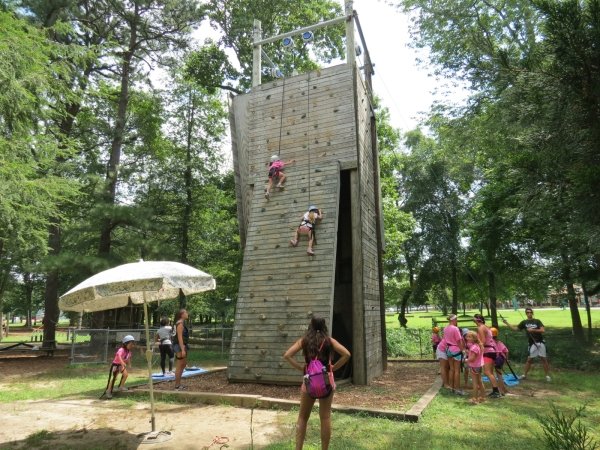
A single attraction captures guests for roughly two hours before they leave to spend their money elsewhere. By integrating a high-capacity adventure infrastructure, operators keep families engaged for six hours or more. This comprehensive adventure resort concept design ensures that visitors remain on-site to consume food, beverages, and retail offerings.

The demographic multiplier: capturing toddlers to seniors

An isolated thrill ride fragments your revenue by capturing only a fraction of the available market. A cohesive aerial attraction ecosystem provides layered experiences that appeal to diverse age groups simultaneously. When grandparents can watch toddlers play while teenagers tackle high-speed rides, the entire family unit commits to a full-day stay.

Low ropes for kids

Ground-level obstacle courses offer safe, harness-free environments for younger children to explore. These accessible areas act as a vital anchor for families, ensuring parents do not have to split up to entertain different age groups. Keeping the youngest guests happy is the primary operational driver for extending the family's total time on-site.

High-capacity net adventures

Suspended net zones accommodate massive visitor volumes without the need for complex safety briefings or personal protective equipment. This continuous flow creates a frictionless entertainment hub where guests can safely burn energy at their own pace. Removing the bottleneck of harness management allows your facility to process hundreds of daily visitors efficiently.

Zipcoasters for thrill-seekers

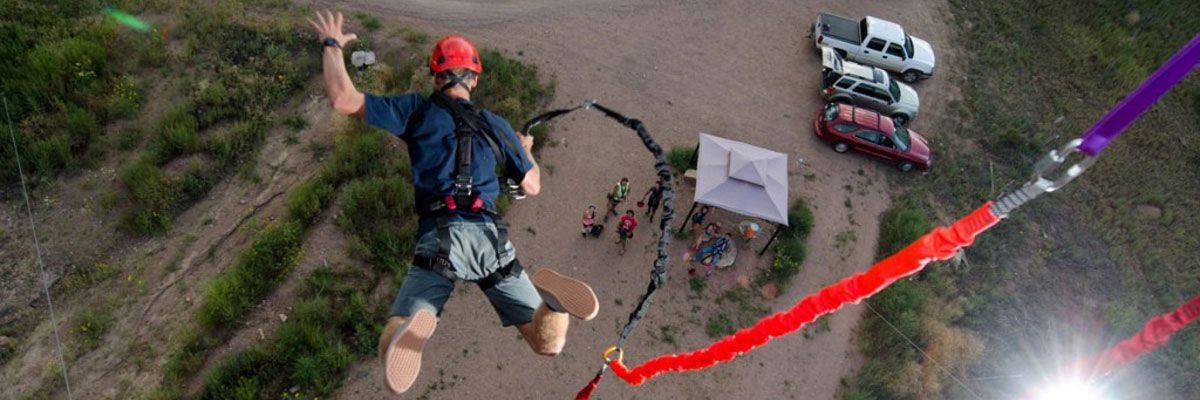
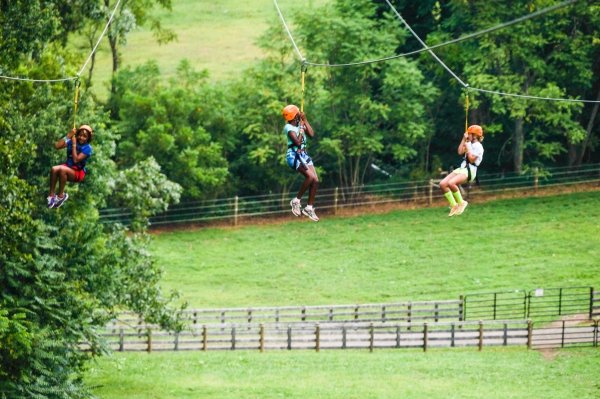
High-adrenaline installations that combine zipline speeds with rollercoaster drops serve as the ultimate social media magnet. This high-impact hardware creates an irresistible draw for young adults who demand premium, shareable experiences. The visual spectacle of these suspended rides also provides free marketing as spectators capture and post the action.

The dwell time formula: how 6 hours drives food and beverage revenue

Increasing secondary spend in leisure facilities relies entirely on keeping guests on the property through standard meal times. When a multi-attraction layout demands six hours to fully explore, visitors are forced to utilize on-site hospitality. This strategic delay transforms a standard admission ticket into a highly lucrative, multi-transactional customer journey.

Optimizing adventure resort concept design for ROI

Placing shaded terraces and dining pavilions adjacent to the most spectacular aerial elements encourages passive viewing and prolonged seating. Spectators with comfortable vantage points will steadily consume high-margin food and drinks while waiting for active participants. A centralized logistical flow ensures that every pathway naturally funnels guests back to your commercial hubs.

Strategic placement of hospitality zones

Food and beverage pavilions must be positioned at the physical intersection of your high-adrenaline and ground-level play zones. This layout guarantees that hungry guests never have to leave the action to purchase a meal. Seamlessly blending dining with entertainment is the foundational secret to skyrocketing your daily per-capita revenue.

Transform your site with multi-attraction aerial parks designed for maximum throughput and engagement. See the blueprint for higher revenue here.

Case study: integrating 4 attractions into a 12,000m² ecosystem

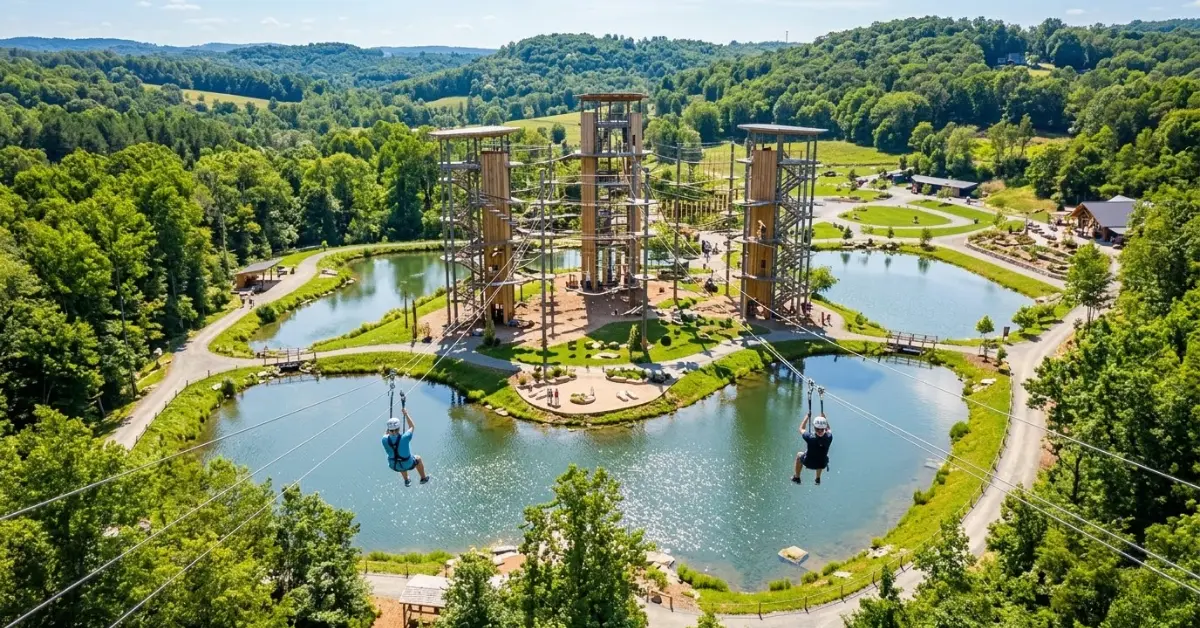
A sprawling twelve-thousand square meter plot offers the ideal canvas to weave high ropes, suspended nets, and gravity rides together. By placing heavy infrastructure like ticketing and dining on the perimeter, operators can preserve the natural forest aesthetic. This specific leisure facility master planning maximizes spatial efficiency while easily handling a daily throughput of over three hundred visitors.

Centralizing safety and equipment hubs

Implementing an integrated layout requires precise master planning to eliminate operational bottlenecks and streamline staff deployment. Centralized equipment hubs reduce the footprint needed for harness storage and maintenance while speeding up the check-in process. Operators directly benefit from the following structural advantages:

  • Streamlined safety briefings that process diverse groups efficiently before they scatter to different zones.
  • Reduced payroll requirements because overlapping safety corridors allow fewer instructors to monitor multiple lines.
  • Optimized visitor flow that naturally guides guests from the briefing area directly into revenue-generating hospitality zones.

Shifting your operational focus toward multi-attraction aerial parks is the most effective way to secure a resilient, high-yield business model. By catering to every generation and extending the average visit to a full day, operators easily lock in critical secondary revenue streams. This integrated concept-to-completion approach ensures your facility remains a dominant, highly profitable destination in the competitive leisure market.

Planning an Adventure project? Need expert advice on Adventure park design?

Get in touch today!

Frequent asked questions

How do multi-attraction aerial parks increase dwell time?

By offering a variety of distinct activities, multi-attraction aerial parks give guests a reason to stay for a full day. Families move from low-impact nets to high-speed rides, naturally extending their visit. This prolonged engagement prevents the quick turnover typically seen at single-activity sites.

What is the ideal footprint for an adventure resort concept design?

A fully integrated layout typically requires between three thousand and twelve thousand square meters depending on your target throughput. This space must efficiently accommodate the active play zones, safety corridors, and essential hospitality infrastructure. Proper spatial planning ensures natural elements are preserved while maximizing your commercial capacity.

How does a multi-attraction layout improve operational efficiency?

Consolidating diverse rides into one centralized ecosystem allows operators to utilize a shared staffing and equipment pool. Instructors can seamlessly monitor overlapping zones, which drastically reduces your daily payroll requirements. Centralized check-in and briefing areas also eliminate severe logistical bottlenecks during peak hours.

What activities maximize demographic reach in adventure parks?

Combining ground-level obstacle courses with extreme suspended rides ensures that toddlers, teens, and grandparents all find value in the visit. Safe, harness-free net zones are perfect for younger kids, while high-velocity gravity coasters attract thrill-seeking adults. This layered approach guarantees the entire family stays together on your property.

How do extended visitor stays impact food and beverage revenue?

When multi-attraction aerial parks keep guests engaged for six hours, visitors inevitably cross over standard meal times. Captive audiences with comfortable viewing terraces will consistently purchase high-margin refreshments throughout the day. This secondary spending often rivals or exceeds the initial admission revenue for the facility.

Related reading

Explore the adventure business

Turnkey planning Build Your Park

The full Skywalker process: from fixed-price feasibility study through design, engineering and opening day.

Service Consultancy — Feasibility & Concept

What a Skywalker feasibility study covers — and how the fee credits back into construction cost.

Service Design & Architecture

How Skywalker translates a site concept into engineered construction drawings and permit-ready specifications.

Service Concepting & Theming

Turning a site brief and investor vision into a coherent, themed guest experience with commercial logic.

Service HRM & Operations Planning

Staffing structures, hiring frameworks and operating model design for adventure parks at scale.

Product AirCruizer Cable Bicycle

An aerial cable bicycle that adds a low-intensity, family-accessible revenue stream to any adventure destination.

Product Net Adventure

Multi-level suspended net structures — high dwell time, low staffing cost, strong ROI for family parks.

Product Ultimate Adventure Tower

A vertical multi-discipline anchor attraction that drives park-wide footfall and upsell across adjacent attractions.

Service Zipline Design & Engineering

Engineered zipline specifications — why site-specific design protects your permit, insurance and long-term operating margin.

Products overview All Products — Attraction Range

Browse the full Skywalker product range to plan your park's attraction mix and revenue model.